FAQs
Solutions

Frequently
Asked Questions

Everything you
need to know

Find answers to the most common questions about siphonic and pressurised drainage systems, Fast Flow's products and services, and how our engineering approach works for your project.
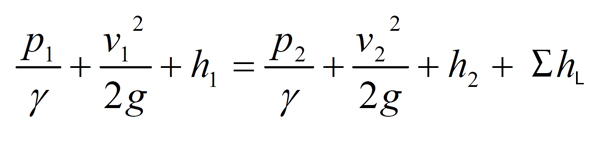
A siphonic drainage system uses the natural hydraulic head created by the height of a building to create full bore flow in the drainage pipes. Unlike conventional gravity drainage, siphonic systems operate without any pipe gradient and can drain large roof areas through small-diameter pipework. The system is activated automatically when rainfall intensity creates sufficient water depth at the roof outlets to induce siphonic action.
Conventional roof drainage uses gravity flow, requiring all pipes to be laid to a gradient — typically 1:100 minimum. This consumes significant building space and limits pipe routing options. Siphonic drainage operates under pressure (full bore flow), meaning all horizontal pipework can be completely flat. This dramatically reduces the number of pipes and outlets required, frees up space for other building services, and allows greater flexibility in pipe routing.
Siphonic drainage is most effective on large flat or low-pitched roof areas — typically 500m² and above. It is ideal for airports, shopping malls, stadia, warehouses, industrial facilities, hospitals, schools and large commercial buildings. It is also suitable for green roofs, inverted roofs and podium decks where the additional water retention depth supports the activation of siphonic action.
The psBalcony™ is a world-first pressurised two-phase drainage system designed specifically for balconies and podium decks. It uses patented technology to simultaneously transport air and water under pressure through small-diameter pipework. The system prevents flooding on exposed balconies and podium areas during extreme rainfall events, without requiring large-diameter conventional drainage pipes with strict gradient requirements.
Siphonic drainage systems are designed using hydraulic engineering calculations based on the Bernoulli Energy Equation. The design process involves calculating the design rainfall intensity for the project location, determining the roof catchment areas, sizing the drainage outlets, and calculating the pipe diameters and lengths to achieve balanced siphonic flow throughout the system. Fast Flow uses our proprietary FastFlowCALC™ software to carry out these calculations to BS EN 12056 and other applicable standards.
Yes. Siphonic drainage is particularly well-suited to green roofs. The additional substrate depth required for green roof planting provides the water retention depth that helps activate siphonic action. Fast Flow's Parco™ outlet is specifically designed for green roof applications, featuring an adjustable substrate clamp that accommodates different growing medium depths while maintaining correct outlet invert levels.
Fast Flow siphonic systems are compatible with a range of pipe materials including UPVC, HDPE, cast iron and stainless steel. The choice of pipe material depends on the application, architectural requirements, acoustic performance requirements and environmental conditions. Cast iron is typically used where acoustic performance is critical (e.g. above occupied spaces), while HDPE is preferred for large roof areas due to its ease of installation and cost effectiveness.
Yes. Fast Flow offers three service models: Design/Supply/Install (full turnkey), Design/Supply (with installation by main contractor under our supervision), and Design Only. Our installation teams are experienced in the specific requirements of siphonic and pressurised drainage systems, including outlet positioning, air-trap prevention and system commissioning and testing.
Fast Flow products are certified by multiple independent bodies including TÜV SÜD (Germany), CSIRO (Australia), TSE (Turkey), and hold Singapore Green Building Product 3-Tick certification, Singapore Green Label, MyHIJAU (Malaysia) and Singapore Green Mark approval. These certifications provide independent verification of product performance and enable specification on green building projects targeting BCA Green Mark, GreenRE, Green Star and other sustainability rating systems.
Still have questions?
Speak to an engineer
Contact Us →